
What is abstract art? It is art that does not try to show the world as it looks. Instead, it uses color, shape, line, and form to communicate ideas, emotions, and experiences that realistic depiction cannot reach.
Abstract art can feel difficult at first. There is no subject to recognize, no story to follow, no face to study. That openness is the point. What you bring to an abstract work is as important as what the artist put there.
Once you understand what abstract art is trying to do, it becomes one of the most direct and powerful forms of visual communication that exists.
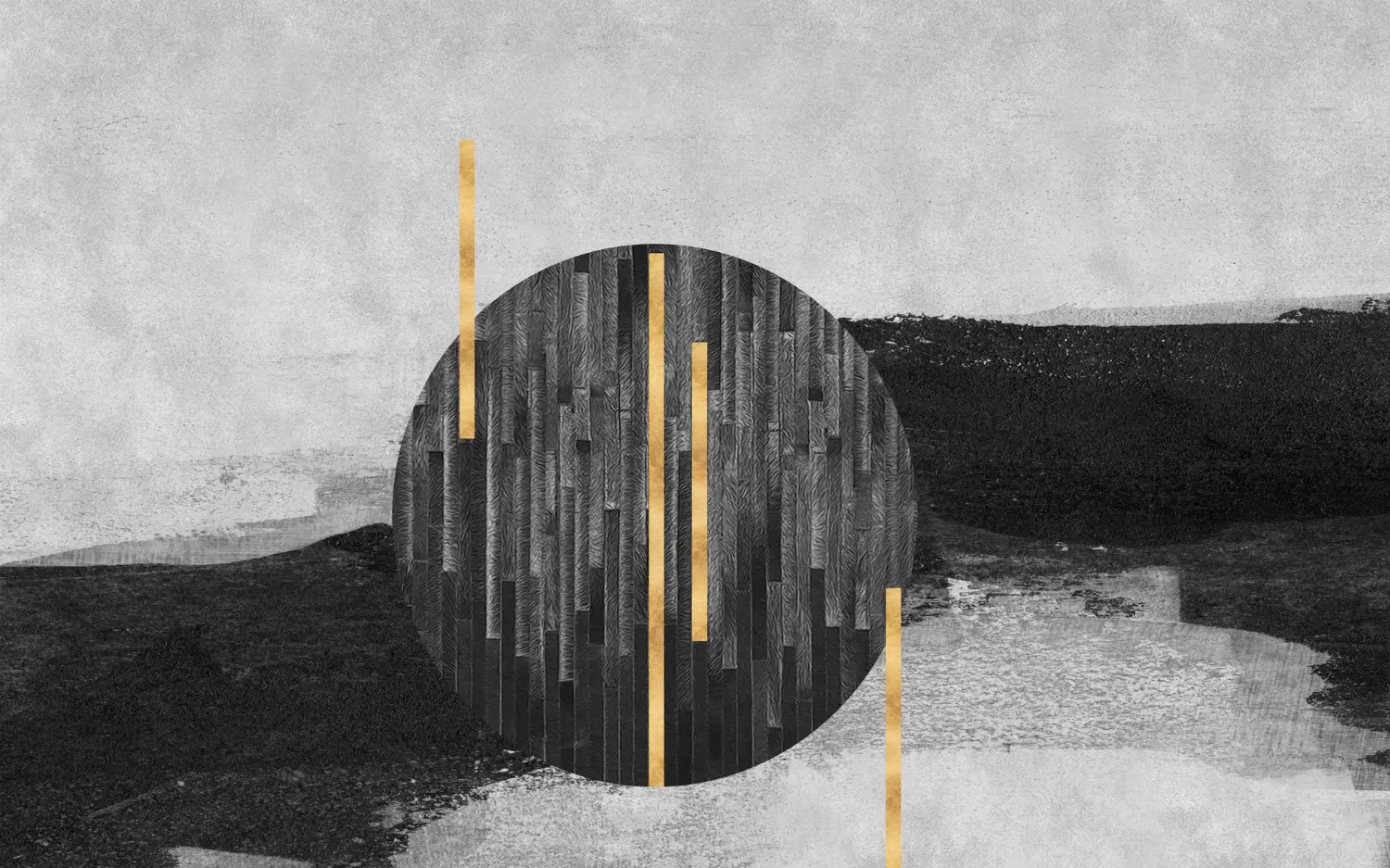
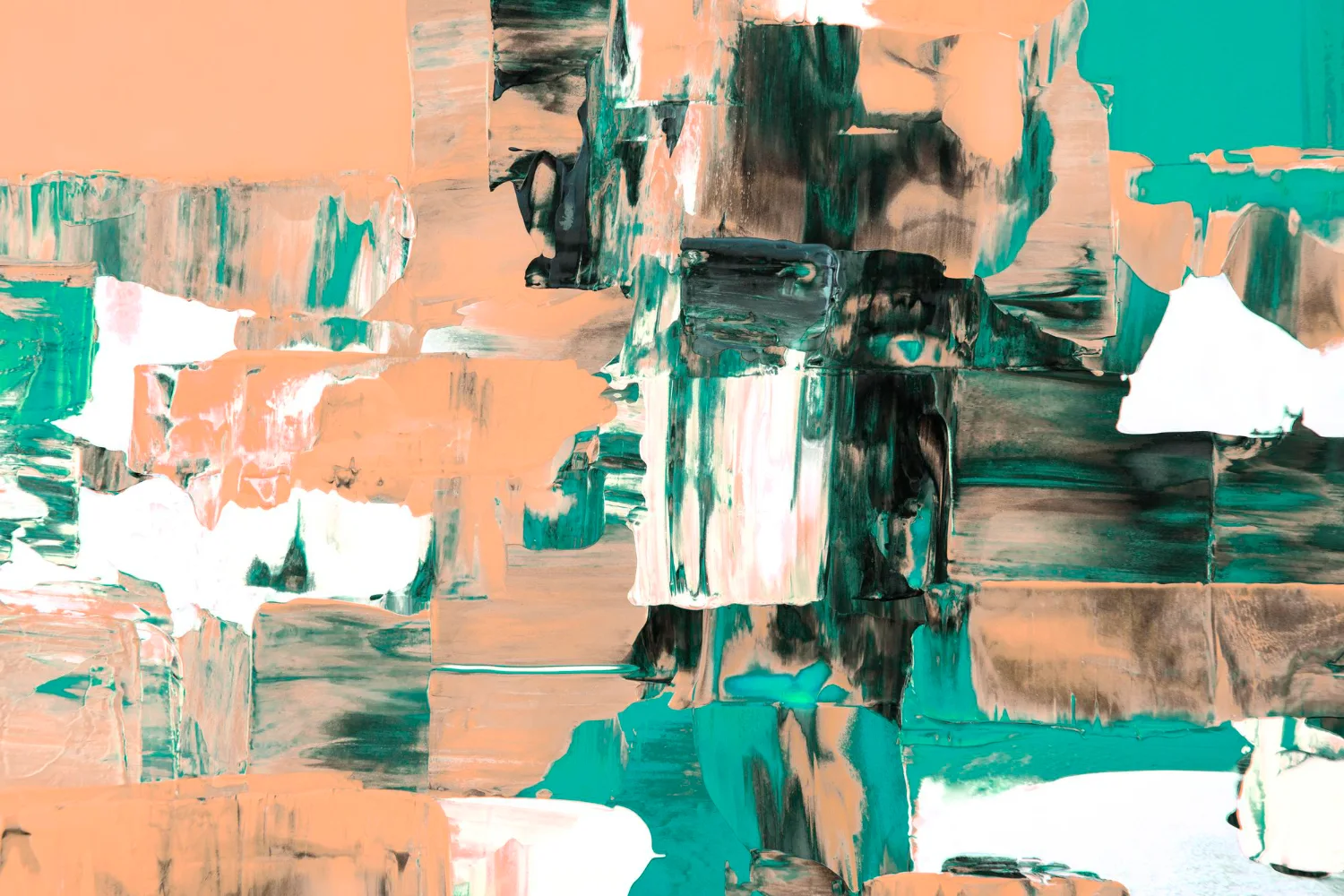
The Origins and Development of Abstract Art
Abstract art did not emerge suddenly. It developed across decades, as artists grew dissatisfied with the limits of representation and began asking what painting could do if freed from the task of depicting visible reality.
By the early 20th century, Wassily Kandinsky had written the first serious theoretical argument for abstract painting. He believed color and form could carry emotional content without any reference to the physical world. He compared abstract painting to music: something you feel rather than decode.
Piet Mondrian took a different approach, using horizontal and vertical lines and primary colors to express what he saw as universal truths about structure and order. Both artists arrived at abstraction from completely different directions.
What is abstract art’s core argument? It is that the visual elements of art, color, line, form, texture, carry meaning on their own terms. You do not need a recognizable subject to communicate something real.
By mid-century, Abstract Expressionism in America pushed the form further. Jackson Pollock dripped and poured paint. Mark Rothko built massive fields of color designed to produce emotional states in the viewer. Neither approach required a subject. Both produced unmistakable experiences.
Major Types and Movements Within Abstract Art
Abstract art is not one thing. It contains several distinct approaches, each with its own logic and visual vocabulary.
Geometric Abstraction
Geometric abstraction uses precise shapes: squares, circles, triangles, grids. Mondrian is the clearest example, but the Bauhaus movement and later Minimalism also belong here. The visual experience is clean, controlled, and often mathematical.
Lyrical Abstraction
Lyrical abstraction is looser, more expressive, more gestural. Kandinsky’s early work falls here. The forms are organic rather than geometric, and the emotional register is more open and fluid.
Abstract Expressionism
Abstract Expressionism is the most widely recognized abstract movement. It originated in New York in the 1940s and 1950s. Action painters like Pollock used the physical act of painting as part of the meaning. Color field painters like Rothko used scale and color relationships to create immersive, near-meditative experiences.
Minimalism
Minimalism sits at the edge of abstraction. It reduces art to its most essential elements, often using industrial materials and simple geometric forms. The question it asks is how little can carry how much.
Frequently Asked Questions About Abstract Art
What is the difference between abstract art and non-representational art?
Abstract art is often used as a broad term covering all non-realistic work, but technically, abstraction suggests a departure from something real. Non-representational art never had a real-world subject to begin with. In practice, the two terms are often used interchangeably.
Do you need to understand abstract art to enjoy it?
No. Abstract art is designed to produce direct responses, emotional, physical, sensory. Understanding the history and context enriches the experience, but your immediate reaction to color, scale, and texture is a valid and complete response on its own.
Why do people say they do not understand abstract art?
Most people approach abstract art looking for a subject to identify. When there is none, the work feels incomplete. Shifting from looking for what it shows to feeling what it does changes the experience entirely.
Is abstract art harder to make than realistic art?
Both require deep skill and intention. Abstract art demands that every visual decision, color, texture, scale, composition, carries the full weight of meaning without a subject to anchor it. That is a different kind of difficulty, not a lesser one.
How to Look at Abstract Art with Confidence
Looking at abstract art well is a skill you can develop. Start with these four approaches.
Stand in front of the work longer than feels comfortable. Abstract art rewards sustained attention in a way that reproductions rarely capture.
Notice your physical response first. Does the scale feel overwhelming or intimate? Does the color feel warm or cold? Trust what your body tells you before your mind tries to explain it.
Consider the materials and the mark. How paint is applied tells you something about the artist’s intention. Pollock’s drips are not random. Rothko’s color fields are built in layers over weeks.
Look at abstract art in the context of what it was reacting against. Every abstract movement responded to something. Knowing what the artist was departing from sharpens your understanding of where they arrived.
Abstract art is not a test. There is no single correct reading. What is abstract art ultimately asking of you? Only that you look, and stay with what you see.