
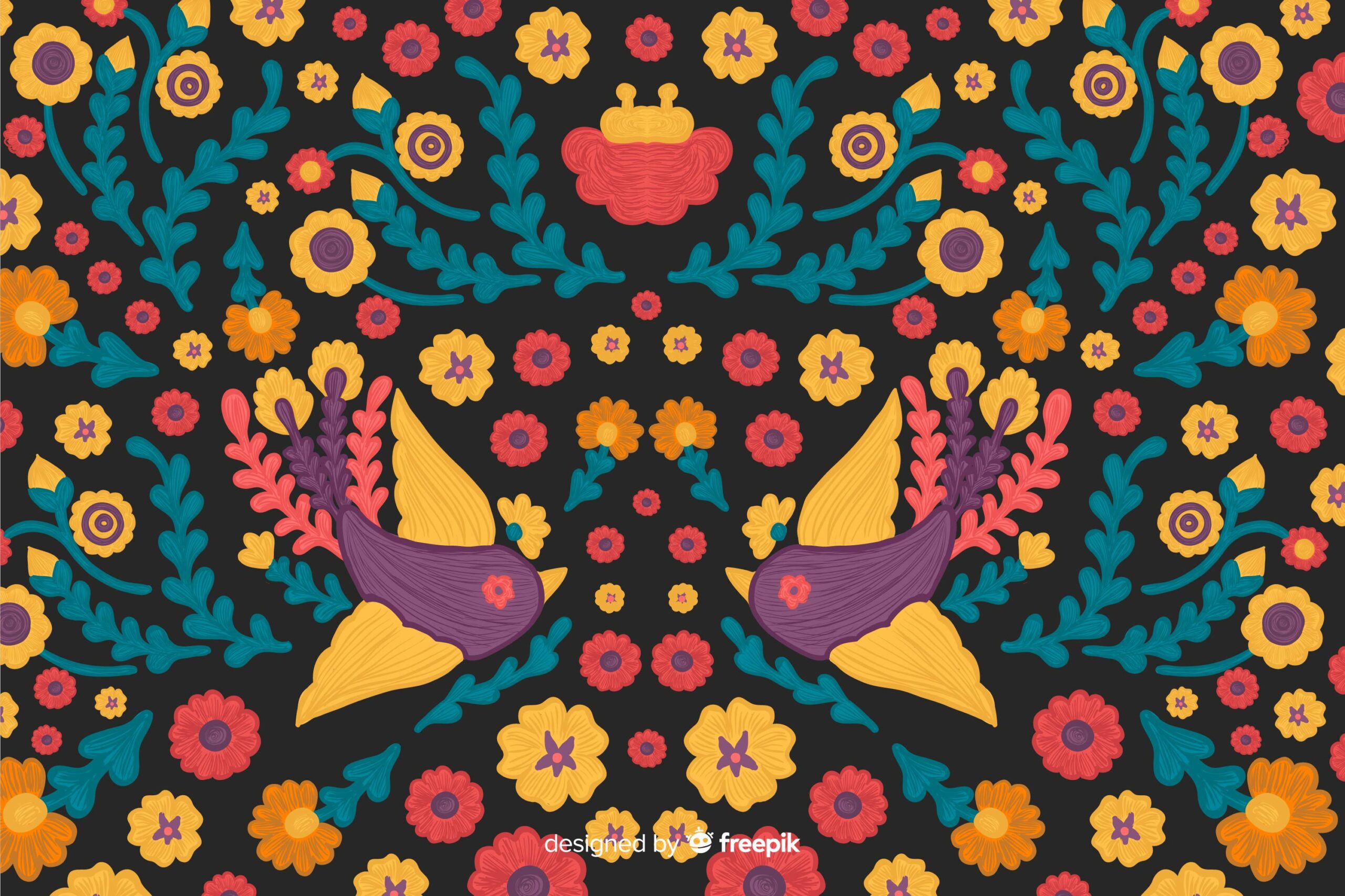
American folk art describes objects made through vernacular, regional, self-taught, and community traditions rather than academic studio systems. To understand it, look at use, place, maker, material, and meaning: a quilt, shop sign, portrait, or weathervane can carry as much cultural evidence as a canvas in a formal museum gallery. This guide gives you practical ways to recognize major forms, compare originals with reproductions, and choose credible places to keep learning.
Why The Tradition Matters In U.S. Culture
The tradition matters because it preserves how communities saw themselves before, beside, and outside formal art schools. Regional identity shows up in materials, symbols, pattern, and purpose: a family record, a tavern sign, a mourning picture, or a carved animal might tell you who lived there, what they valued, and how skill moved through a town. A folk art gallery can make that memory visible, but the meaning begins in households, churches, shops, farms, and local exchange.
The Smithsonian Institution frames this field through its American Traditions: A Taste for Folk Art spotlight, which helps position vernacular work as cultural evidence, not just decoration. That framing is useful because a folk art artist may not have trained in an academy, yet still made objects with strong design, social function, and historical value. But here’s the thing. “Untrained” does not mean unskilled. It often means skill came through family, trade, worship, labor, or community practice.
From Household Objects To Museum Collections
Painted furniture, samplers, decoys, and shop signs entered collections because museums recognized them as records of daily life and local imagination. The American Folk Art Museum in New York City gives that shift a strong institutional home, while the Smithsonian spotlight reinforces why a folk art gallery object can be studied for authorship, use, region, and belief, not only surface charm.
Regional Styles And Materials
Regional variety is the rule. New England weathervanes and portraits often reward close attention to silhouette, paint handling, and civic symbolism, while Pennsylvania German fraktur brings script, color, birth records, and religious language into one format. A Southern quilt, carving, or memory scene may carry family history in cloth, wood, or a folk art painting tied to place rather than formal perspective.
Common Forms And Subjects
You will see portraits, family records, animals, patriotic emblems, religious scenes, trade signs, rural views, barns, harvest imagery, and household decoration. Many objects were made for a direct purpose: to identify a business, honor a marriage, teach faith, remember a death, or mark ownership. That purpose gives the work its force. The image often says, “This mattered here,” using bold shapes, simplified space, and symbols that local viewers could read quickly.
A folk art painting differs from prints and reproductions in material presence, authorship, and evidence. Original surfaces may show handwork, aging, repairs, inscriptions, or unusual supports. Prints can still be attractive and historically inspired, but they do not carry the same physical record. Americana folk art motifs such as flags, eagles, barns, shields, baskets, and harvest scenes remain popular because they compress family, nation, work, and region into instantly legible images.
Paintings, Portraits, And Memory Scenes
Vernacular pictures often use flattened perspective, direct symbolism, frontal figures, and bold color instead of academic modeling. Many folk art paintings function as family records, memorials, or local stories, especially when a sitter, house, ship, school, or farm appears with identifying clues. An american folk art painting may feel plain at first glance, then reveal names, dates, occupations, grief, status, or aspiration.
Prints, Posters, And Reproductions
Folk art prints, primitive folk art prints, and primitive prints serve a different need: accessible decor inspired by older forms. Commercial sellers such as Art.com’s primitive American artwork, prints, and paintings category show continued demand for the look. If you are comparing folk art paintings with printed wall art, separate visual style from medium, edition status, paper quality, and seller description.
Major Institutions And Places To Explore
Start with the Smithsonian Institution when you want broad context. Its folk art resources place vernacular work inside national collecting and interpretation, which helps you understand why everyday objects enter major institutions. The Smithsonian American Traditions spotlight is especially helpful for seeing how taste, collecting, and cultural memory meet. For many readers, that context clarifies why americana folk art is not just a decorating label.
The Folk Art Society of America is another strong resource because it connects education, collecting interest, publications, and community knowledge. If you are trying to build judgment, follow organizations that show objects with context rather than only sales language. Here’s where it gets interesting. The best learning often happens when you compare museum labels, society programming, dealer descriptions, and object photos side by side.
Notable Makers And How Authorship Works
Authorship in this field works on a spectrum. Some makers are named, some are identified by region or workshop, and many remain unknown. Self-taught makers, community craftspeople, itinerant painters, needleworkers, carvers, sign painters, and decorators all appear in the record. The absence of a signature does not erase value, but it does change how you evaluate the object: style, provenance, materials, condition, and cultural context carry more weight.
Academically trained artists usually enter art history through schools, exhibitions, patrons, and documented careers. Folk makers may be understood through objects, local use, family ownership, and repeated visual habits. Americana folk art collecting often values a recognizable hand even when the maker’s name is lost. A strong attribution might rest on comparable works, inscriptions, regional traits, or documented ownership rather than a formal résumé.
Originals, Prints, And Framing Choices
If you want an american folk art painting, ask whether your goal is collecting, study, or display. Original works can require conservation-minded framing, stable humidity, conservation glass, and archival backing. Reproduction prints suit rooms where budget, sunlight, or traffic make originals risky. For collectors, framing should protect the object and avoid hiding edges, inscriptions, repairs, or construction clues that help interpretation.
Red Flags And Authenticity Questions
Before buying an american folk art painting, slow down when provenance is missing, “primitive” is used vaguely, or the seller cannot explain medium and age. Watch for over-restoration, suspicious aging, new hardware on supposedly old objects, and unclear reproduction status. Ask for condition notes, photos of the back, dimensions, known ownership history, and a written description that separates fact from opinion.
Frequently Confused Terms
Outsider art, self-taught art, vernacular art, primitive art, and folk traditions overlap, but they are not identical. Outsider art often emphasizes creators working outside mainstream cultural systems, sometimes with highly personal visual worlds. Self-taught art focuses on training history. Vernacular traditions usually stress community forms, local use, and inherited design. The term folk art artists can include named and unnamed makers, but the label should never replace careful object study.
Buying labels also need precision. Antique generally points to age, vintage to an earlier but usually more recent period, reproduction to a later copy or printed version, and contemporary maker to a living or recent creator working in related traditions. Here’s the part most people miss. These terms describe different facts. A contemporary carved sign can be culturally meaningful, while an antique object can still be ordinary, damaged, or misdescribed.
American Primitive Art Versus Folk Traditions
American primitive art usually describes simplified forms, plain surfaces, and nonacademic style, especially in collecting and decor contexts. Folk traditions are broader because they include community use, inherited patterns, regional practice, and many media beyond painting. Some folk art artists made work that collectors call primitive, but not every “primitive” object has a clear cultural tradition, age, or documented origin.
Where To Learn More
Use museums first when you want vocabulary and context. Browse the American Folk Art Museum website for exhibitions, collection framing, and public programming, then compare that with the American Folk Art Museum Instagram account for current visual examples. If you plan a visit, TripAdvisor’s American Folk Art Museum listing can help with practical visitor impressions, but rely on the museum for interpretation.
For collecting and display research, compare nonprofit education with commercial presentation. The Folk Art Society of America can help you follow talks, publications, and collector conversations, while American Folk Art & Framing shows how dealers and framers present objects for homes. So what does that actually mean for you? When you study a folk art artist or object, separate scholarship, selling language, condition claims, and personal taste before you decide what matters.
Visit The American Folk Art Museum
Just steps from Lincoln Center, the American Folk Art Museum gives you a focused look at self-taught artists, vernacular traditions, quilts, paintings, sculpture, and decorated everyday objects. Its compact scale makes it easy to visit in under an hour, but the labels reward close looking. Pair it with nearby Upper West Side museums if you want American folk art in a broader cultural day.
Visit The American Folk Art Museum
Make time for the American Folk Art Museum near Lincoln Center, especially if you want context beyond decorative objects. Its galleries connect quilts, fraktur, weather vanes, portraits, and work by self-taught artists to the social histories behind them. Look closely at materials, inscriptions, and maker choices; those details often explain why American folk art feels personal, regional, and unusually direct.
Frequently asked questions
American Folk Art Museum In New York City
American folk art differs from academic art because it usually grows from local use, community tradition, self-training, trade skill, or household practice rather than formal art-school systems. Fine art often emphasizes academy standards, exhibition history, and individual innovation. Vernacular work often emphasizes function, symbolism, place, and shared visual language.
Is American folk art always made by anonymous or self-taught makers?
American folk art is not always anonymous, but many works survive without a known maker because they were made for homes, shops, churches, or local exchange rather than formal art markets. Some creators are documented by name. Others are identified through region, family ownership, workshop traits, inscriptions, or comparison with related objects.
What are the most recognizable types of American folk art?
The most recognizable types include portraits, family records, quilts, samplers, painted furniture, trade signs, decoys, carvings, fraktur, weathervanes, mourning pictures, patriotic images, and printed reproductions inspired by older models. You can often spot them by bold design, direct symbolism, local materials, and evidence of practical use.
How can a buyer tell whether a piece is original, antique, or a reproduction?
A buyer should compare medium, surface, construction, provenance, condition, seller wording, and reproduction status before trusting a label. Originals show handwork and object-specific evidence, while reproductions usually use later printing or copying methods. Ask for clear photos, dimensions, back views, ownership history, and a written condition description.
Where can someone see important American folk art collections in person?
You can see important collections at the American Folk Art Museum in New York City and through Smithsonian Institution displays or online features tied to its folk art holdings. Before visiting, check current exhibitions directly with the institution. Museum websites give better interpretive context than travel listings or social feeds alone.
Why are quilts, trade signs, and weathervanes included in art collections?
Quilts, trade signs, and weathervanes enter art collections because they combine design, skilled making, social purpose, and historical evidence. They may have started as bedding, advertising, or architectural objects, but museums study their pattern, symbolism, materials, regional use, and survival as records of everyday creativity.
Key takeaways:
- American folk art is rooted in vernacular, self-taught, regional, and community traditions.
- The field includes paintings, quilts, carvings, trade signs, fraktur, weathervanes, prints, and household objects.
- Museums such as the American Folk Art Museum and Smithsonian frame these works as major cultural records.
- Buyers should compare originality, provenance, condition, medium, and reproduction status before purchasing.
- A stronger guide should connect history, visual identification, institutions, and buying criteria in one place.
American folk art is best understood as a broad, living record of American communities rather than a single style. Its paintings, quilts, carvings, signs, weathervanes, prints, and household objects preserve regional stories, religious beliefs, family memories, patriotic symbols, and everyday labor. Museums and societies help explain cultural value, while galleries, framers, and print sellers make the tradition accessible to collectors and decorators. Whether you are planning a museum visit, researching a maker, or choosing a piece for your home, the most useful approach is to look closely at authorship, place, materials, condition, and meaning. Worth pausing on that for a second. The object’s story matters as much as its surface.